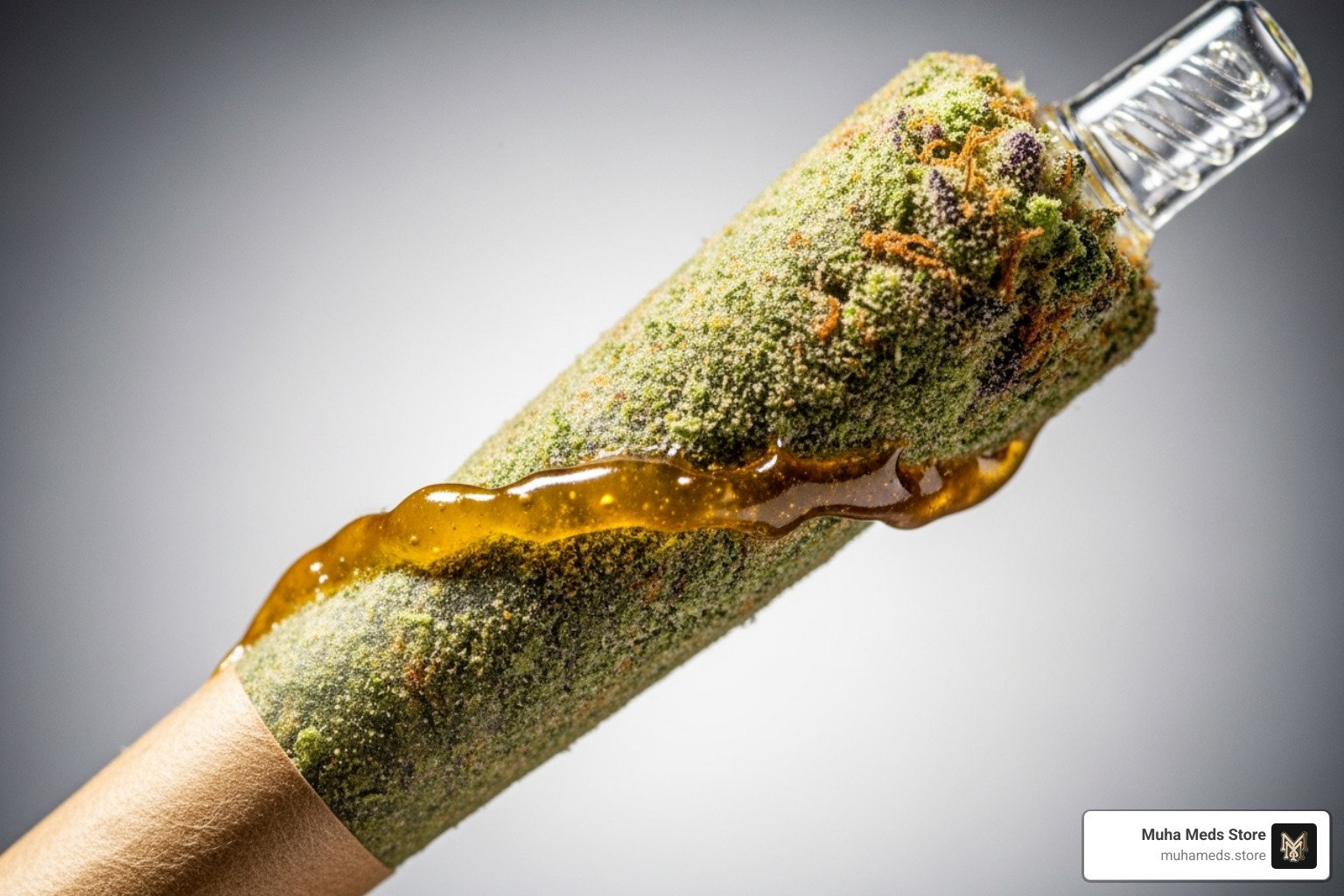

Weed 101: Exploring the Diverse World of Cannabis Plants and Flowers

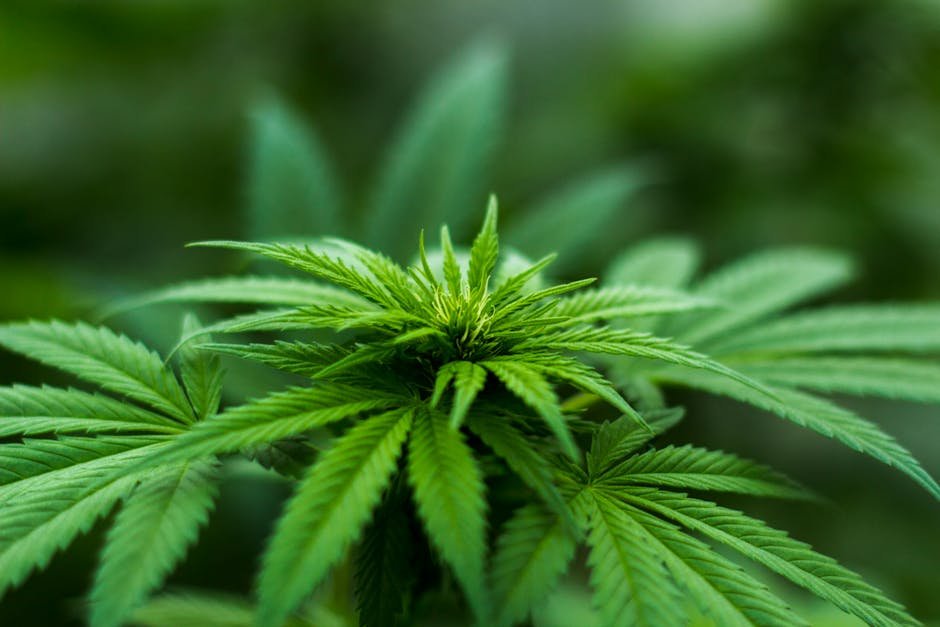
Understanding the Different Types of Weed: A Quick Overview
Types of weed fall into three main categories, each with distinct effects:
| Category | Typical Effects | Best Used For |
|---|---|---|
| Sativa | Energizing, uplifting, cerebral “head high” | Daytime use, creativity, focus |
| Indica | Relaxing, sedating, calming “body high” | Nighttime use, pain relief, insomnia |
| Hybrid | Balanced or blended effects | Customized experiences combining Sativa and Indica traits |
Beyond these categories, cannabis comes in various forms like flower (buds), edibles (gummies), and concentrates (wax, oils), each offering unique consumption methods.
The effects of a strain depend on more than its category. The cannabinoids (like THC and CBD) and terpenes (aromatic compounds) are key to its potency, flavor, and therapeutic benefits. With over 700 strains available, understanding these factors is crucial for making informed choices.
This guide will help you steer the different types of weed, from plant characteristics to consumption methods, so you can find the right product for stress relief, pain management, or relaxation.
I’m Mark, and I’ve spent years in the cannabis industry. At Muha Meds, we’re committed to education and providing quality, ethically operated cannabis products that improve our customers’ lives.
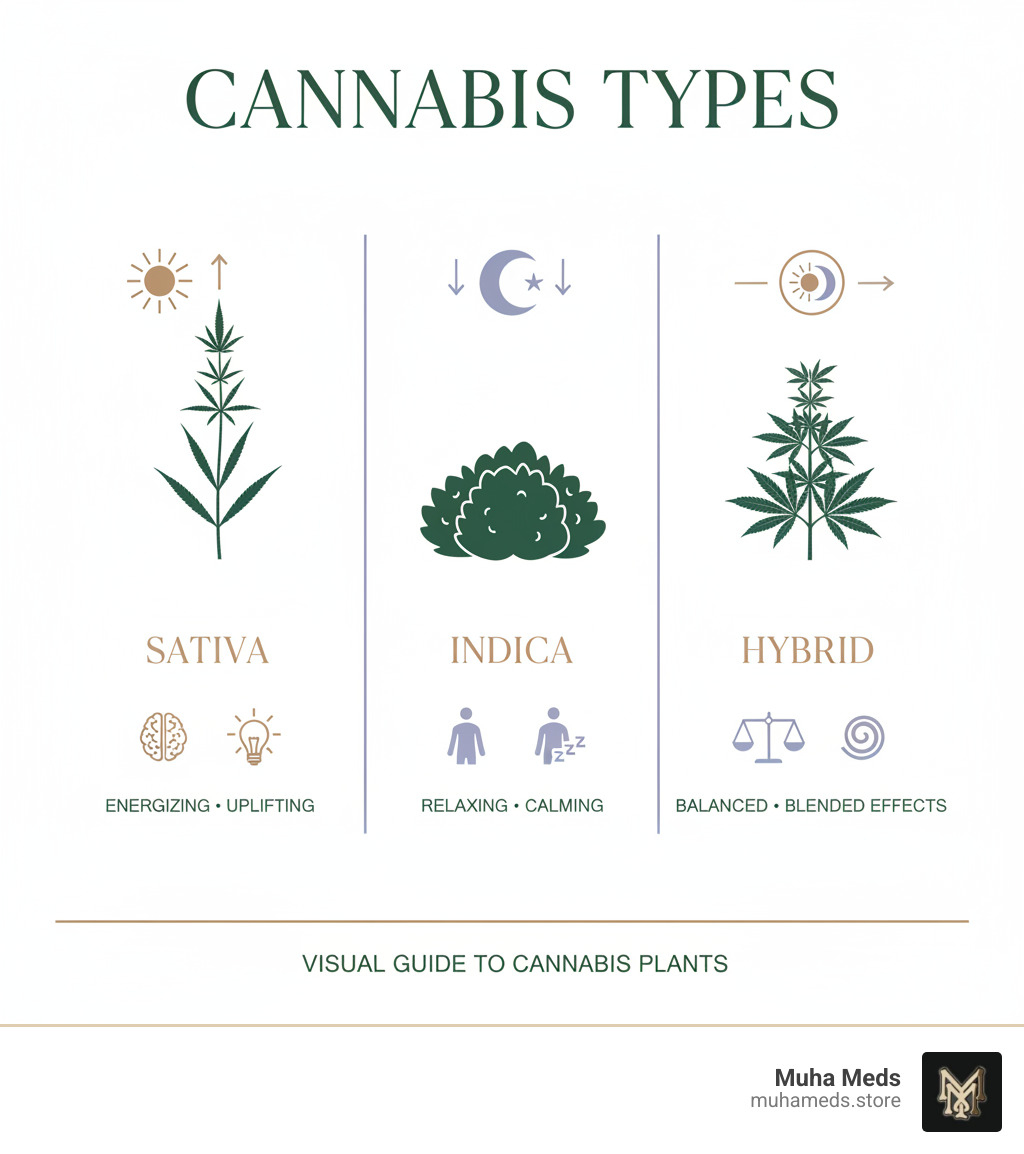
The Main Categories of Cannabis: Sativa, Indica, and Hybrid
The three main categories of cannabis—Sativa, Indica, and Hybrid—are the starting point for most users. While these classifications originally described a plant’s appearance and origin, they now serve as a general guide to the expected effects. However, individual experiences can vary. The cannabis plant is complex, with over 480 compounds and more than 700 strains available, most of which are hybrids. Understanding these basic categories provides a solid foundation.
Cannabis Sativa
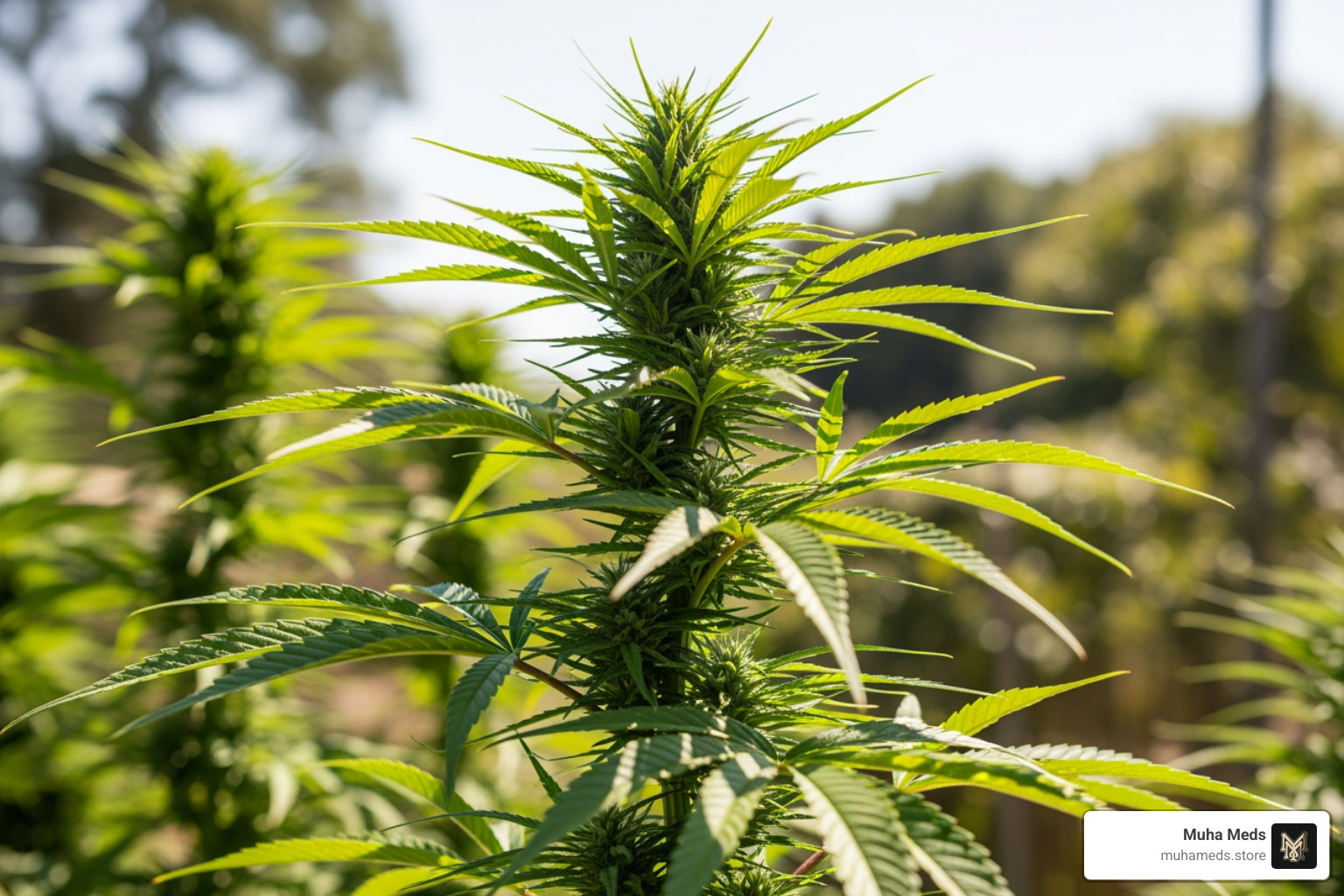
Cannabis Sativa plants are tall and slender with thin leaves, originally from warm climates like Mexico and Thailand. Sativa is known for its energizing effects, often described as a cerebral “head high.” It’s a popular choice for boosting creativity, focus, and sociability, making it a daytime favorite. Users often turn to Sativa strains to stay alert and engaged while tackling creative projects or social activities.
Cannabis Indica
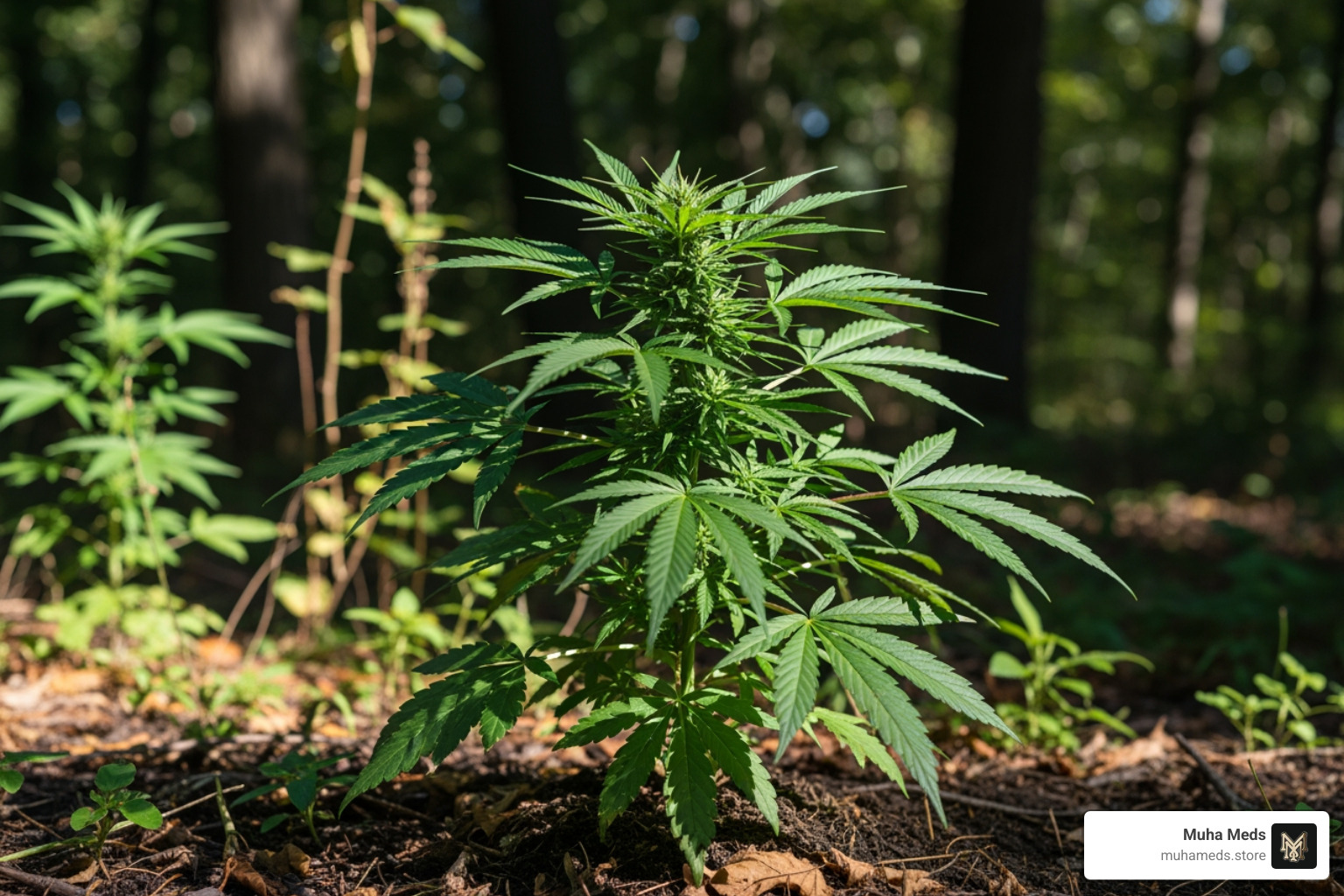
In contrast, Cannabis Indica plants are short and bushy with broad leaves, adapted to the cold climates of the Hindu Kush mountains. Where Sativa energizes, Indica relaxes. Its effects are known as a “body high,” providing deep physical relaxation. This sedating quality makes Indica ideal for nighttime use, helping with pain, insomnia, and muscle tension. It’s also commonly used to unwind, quiet a restless mind, or stimulate appetite.
Hybrid Strains
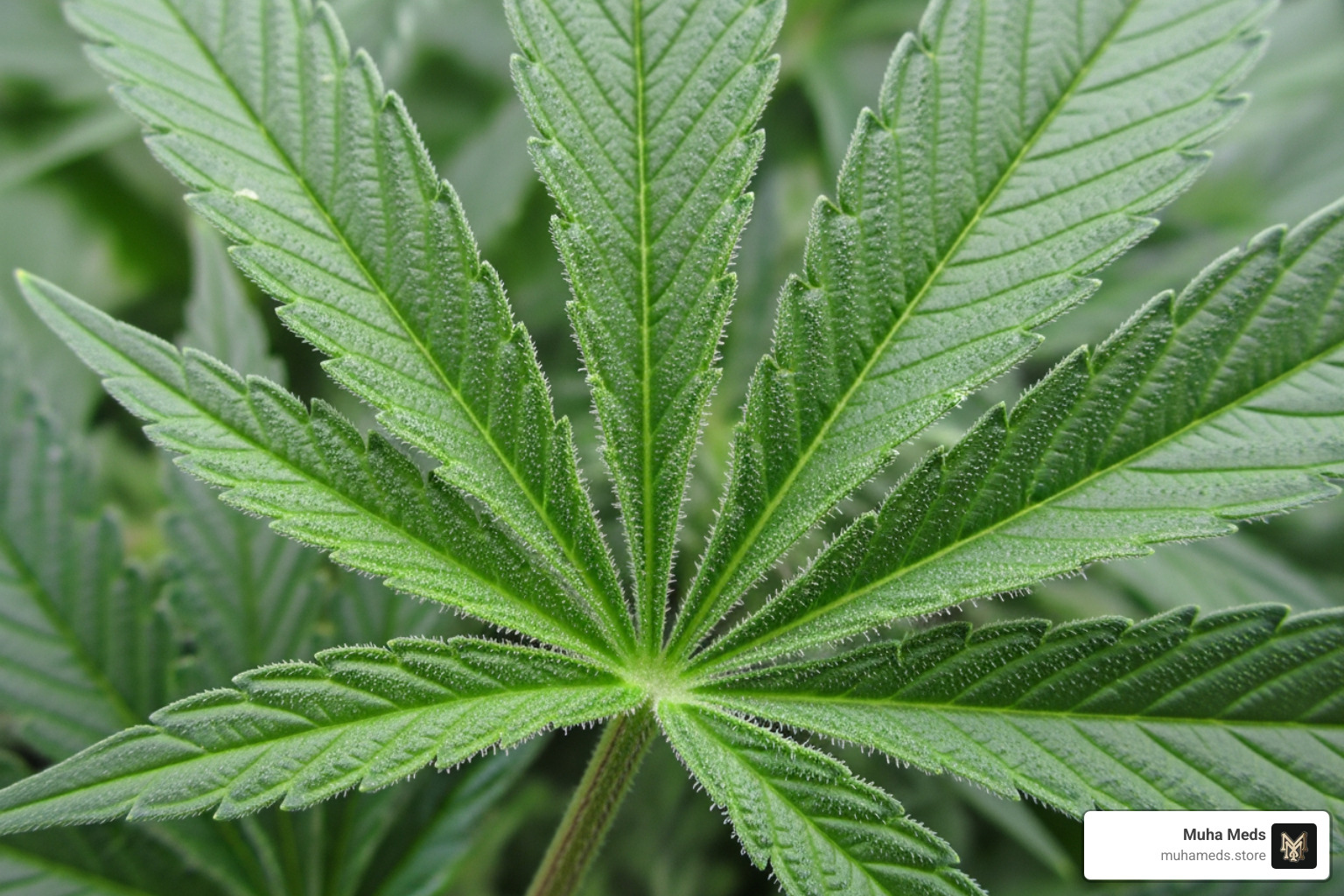
Hybrid strains are cross-breeds of Sativa and Indica plants, designed to combine the best traits of both. In fact, most modern strains are hybrids, as pure Sativa or Indica are rare. This allows for a customized experience.
A Sativa-dominant hybrid offers mental clarity with some physical relaxation, while an Indica-dominant hybrid provides body relief without heavy sedation. Balanced hybrids aim to deliver the best of both worlds. The specific effects depend on the ratio of THC and CBD and the terpene profile, allowing breeders to create strains for specific needs like anxiety relief or stress reduction. This customization is why hybrids are so popular.
A Note on Cannabis Ruderalis
A lesser-known variety is Cannabis Ruderalis. These small, scrappy plants have low THC and are not typically used for recreation. However, Ruderalis is highly valued in breeding because it is autoflowering—it flowers based on age rather than light cycles. Breeders cross Ruderalis with Sativa or Indica to create hybrids that are easier and faster to grow, often with higher CBD content.
Beyond the Strain: Understanding Cannabinoids and Terpenes
Why do two Sativa strains feel different? The answer is in their chemical makeup. Beyond the Sativa/Indica/Hybrid classification, the effects of different types of weed are determined by their cannabinoids and terpenes. These compounds work together in the “entourage effect,” where they modify each other’s properties. Research suggests terpenes are highly impactful in shaping your experience, so understanding a strain’s full chemical profile is key.
The Role of Cannabinoids: THC vs. CBD
Over 100 cannabinoids exist in cannabis, but the two main players are Tetrahydrocannabinol (THC) and Cannabidiol (CBD).
THC is the primary psychoactive compound, responsible for the “high” associated with marijuana. It affects pleasure, memory, and coordination. A strain’s potency is usually measured by its THC content, with 21% or more considered strong.
CBD is non-psychoactive and does not produce a “high.” It’s known for its therapeutic benefits, including relaxation, pain relief, and anxiety reduction. CBD can also moderate THC’s intensity, making balanced strains more manageable.
The ratio of THC to CBD is crucial in determining a strain’s effects. High-THC strains offer an intense psychoactive experience, while balanced strains provide therapeutic benefits with less intensity. Understanding this balance helps you choose a product that matches your goals.
The Influence of Terpenes
Terpenes are the aromatic compounds responsible for a strain’s unique scent and flavor, from citrus to pine. But they do more than that; they also significantly influence a strain’s effects, working with cannabinoids in the entourage effect. Paying attention to a strain’s terpene profile can help you find the right match for your needs.
Common terpenes include:
- Myrcene: Earthy and musky, often found in Indica strains and associated with sedating effects.
- Limonene: Citrusy aroma, common in Sativa-leaning strains, linked to mood-lifting and stress-relieving properties.
- Pinene: Pine-scented, may help with alertness and memory retention.
- Linalool: Floral and lavender-like, known for its calming and anti-anxiety potential.
- Caryophyllene: Spicy and peppery, it’s the only terpene that also acts like a cannabinoid and may have anti-inflammatory benefits.
As research shows, the unique combination of terpenes and cannabinoids is what gives each strain its character. At Muha Meds, we believe understanding these nuances helps you make better choices.
Common Types of Weed Products and How They’re Used
Beyond the plant categories, the way you consume cannabis dramatically changes the experience. The types of weed products available today affect how quickly you feel the effects, how long they last, and their intensity. Choosing a consumption method is as important as choosing a strain.
Cannabis Flower (Buds)
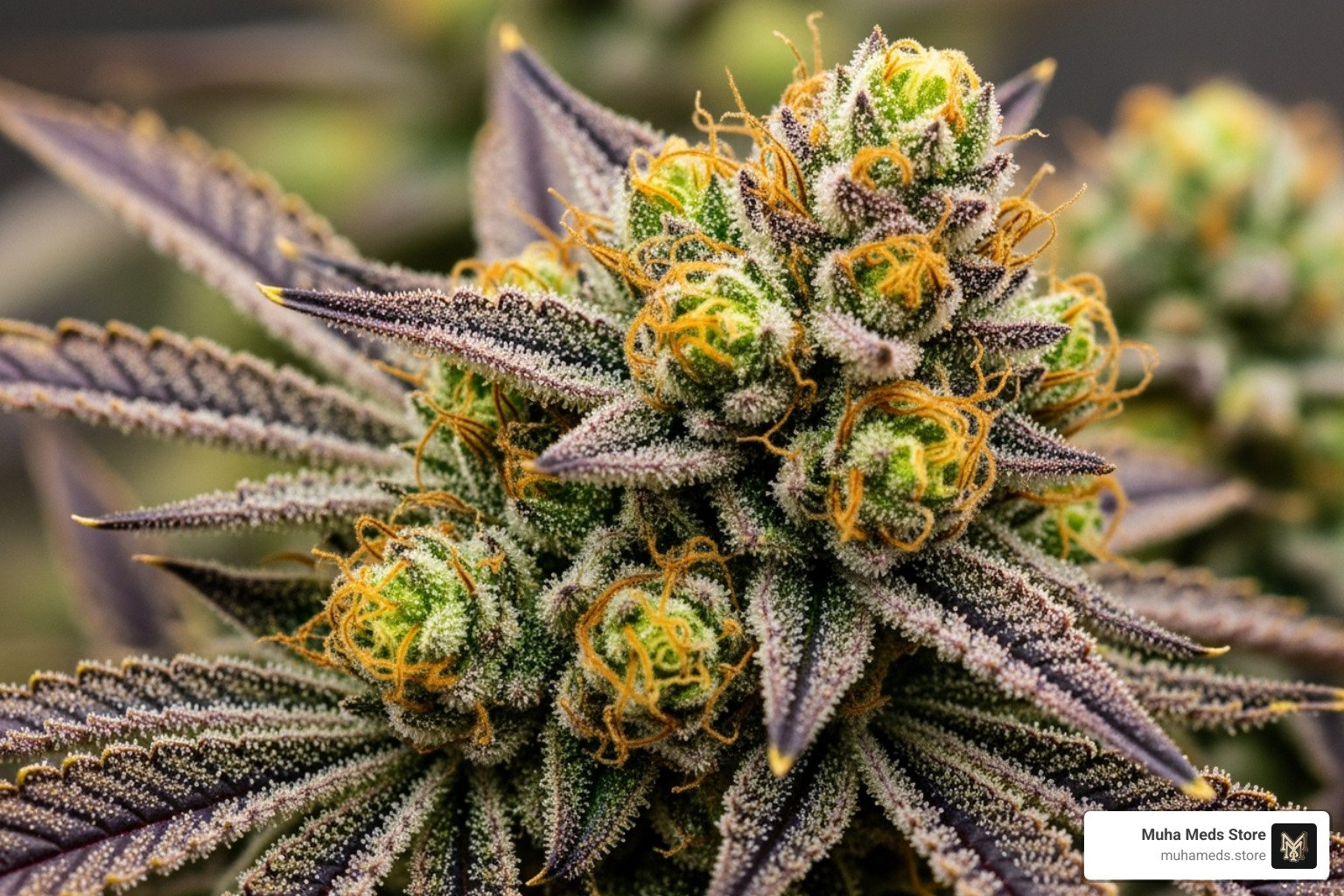
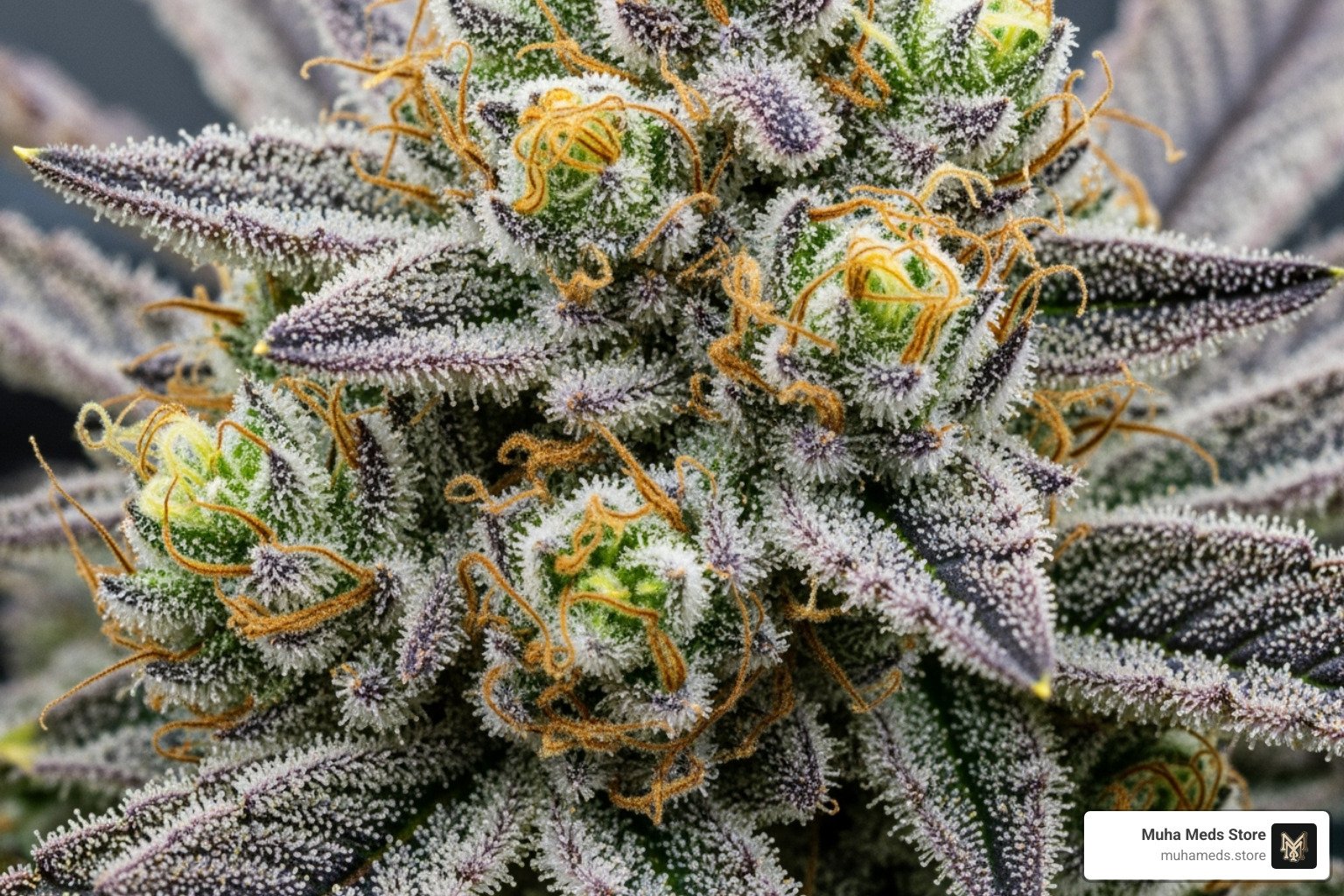
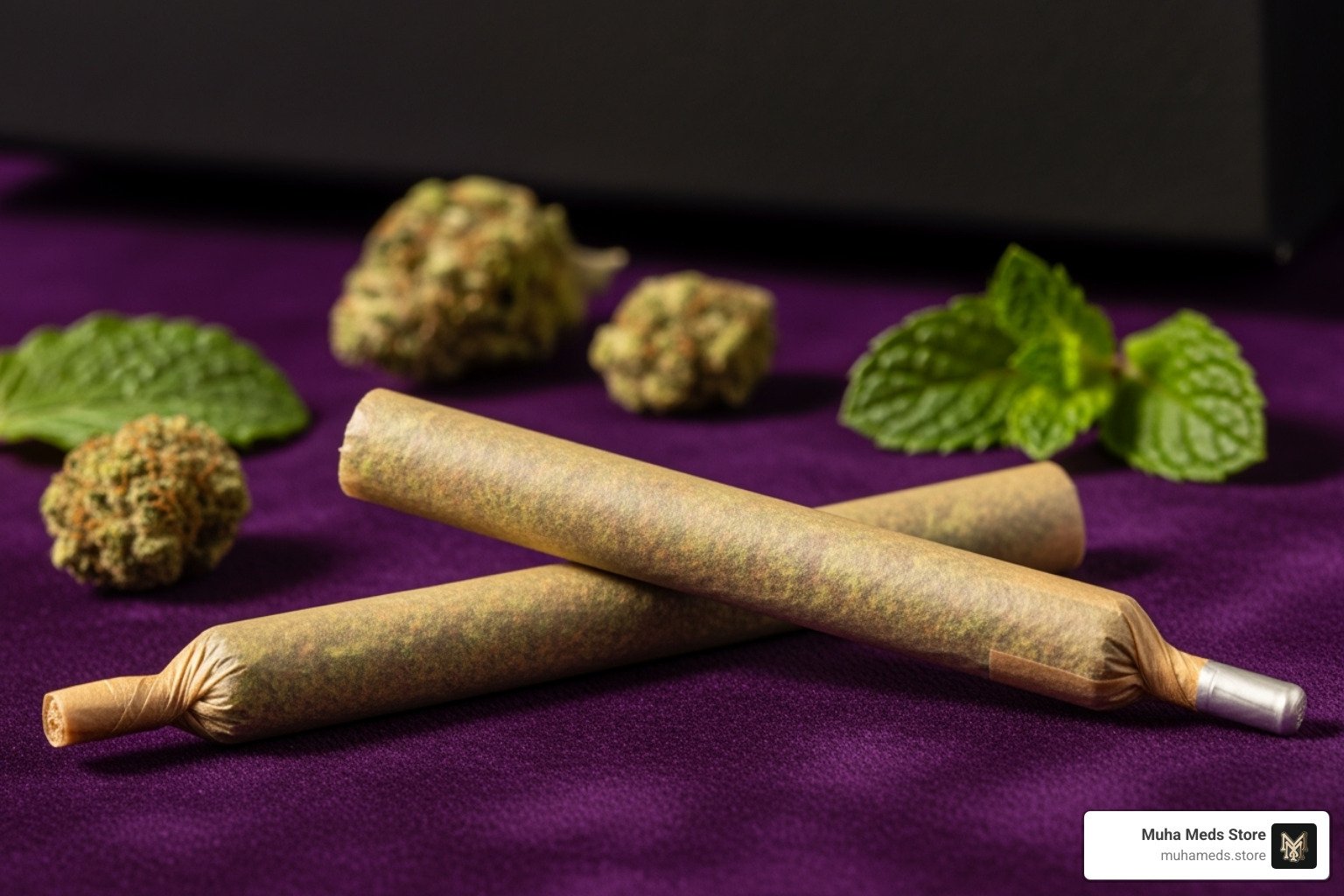
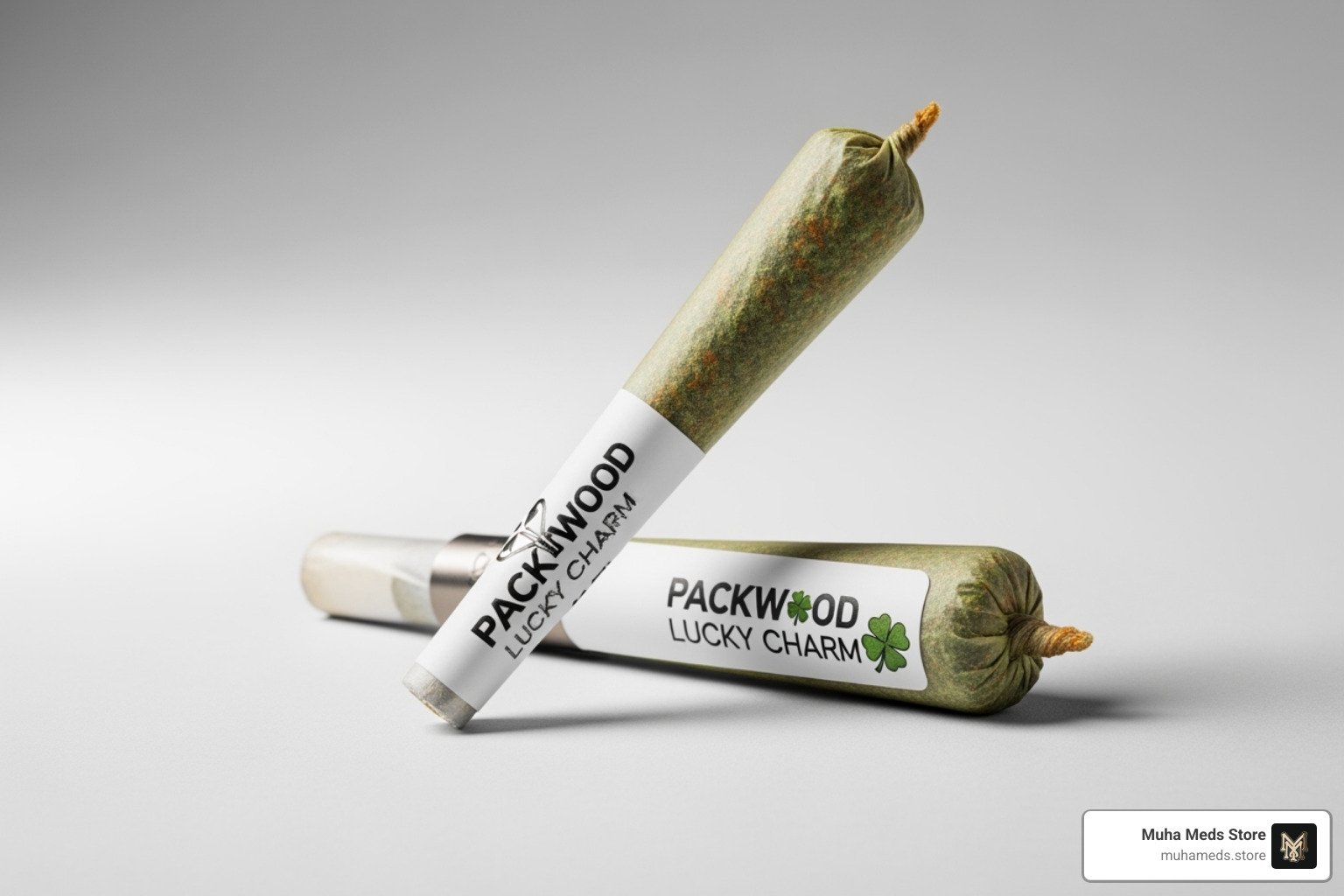
Cannabis flower, or “buds,” is the classic, dried form of the plant. When smoked or vaporized, its effects are felt within minutes, allowing for easy dosage control. This method provides a “full spectrum experience,” delivering all the plant’s natural cannabinoids and terpenes.
However, smoking can irritate the lungs, and the strong, lingering odor lacks discretion. Flower can be consumed using joints, pipes, bongs, or vaporizers. For premium options, explore our selection of cannabis flowers at Muha Meds.
Cannabis Edibles
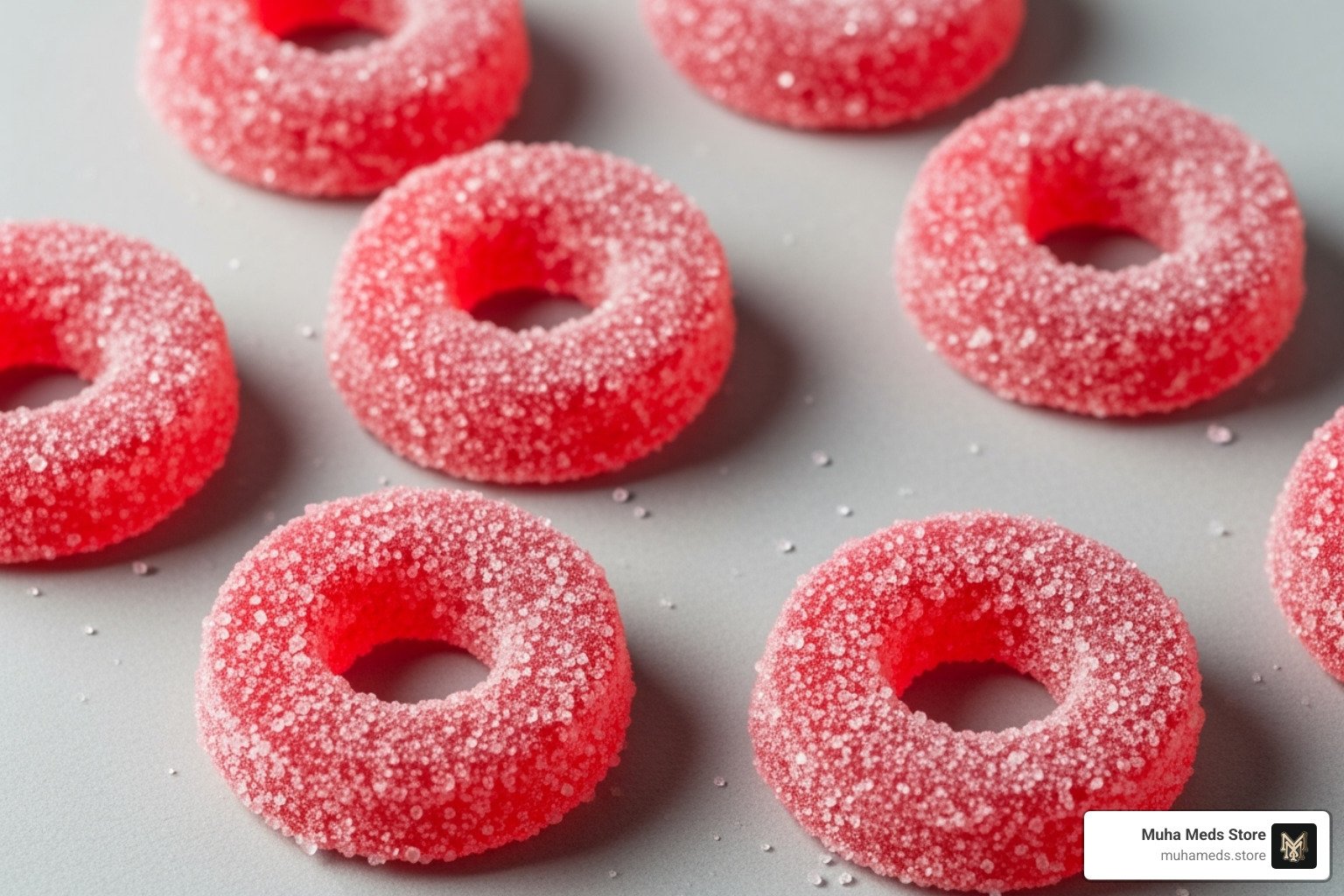
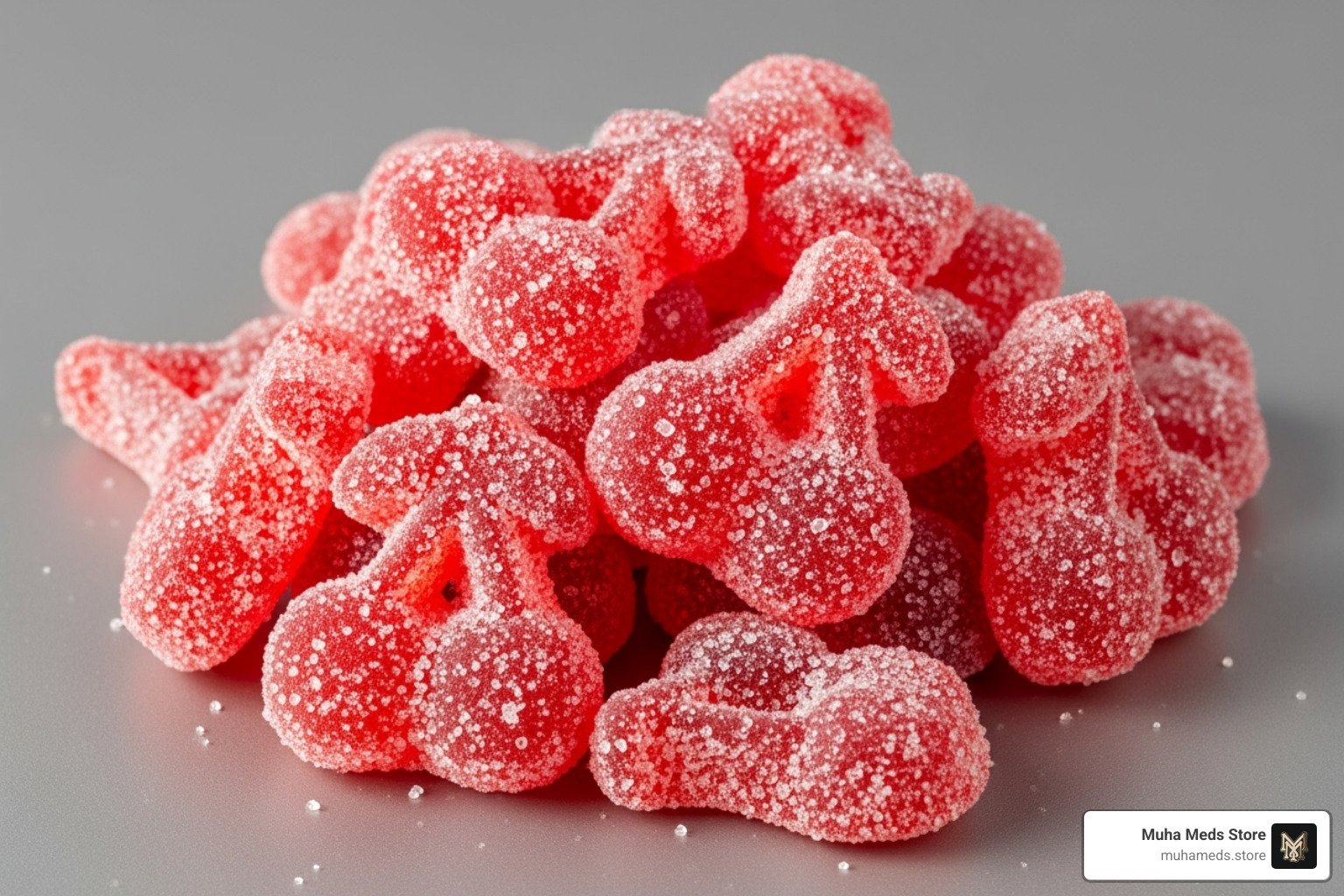
Cannabis edibles, such as gummies, chocolates, and beverages, offer a discreet, smoke-free option with long-lasting effects (4-8+ hours). This makes them ideal for sustained relief.
The main challenge with edibles is their delayed onset. It can take 30 to 90 minutes to feel the effects, as THC must be processed by the liver. This delay often leads to overconsumption. The golden rule is to start low, go slow, and wait at least two hours before taking more. When THC is metabolized by the liver, it converts to a more potent compound, often resulting in a more intense, body-focused high compared to smoking.
Cannabis Concentrates
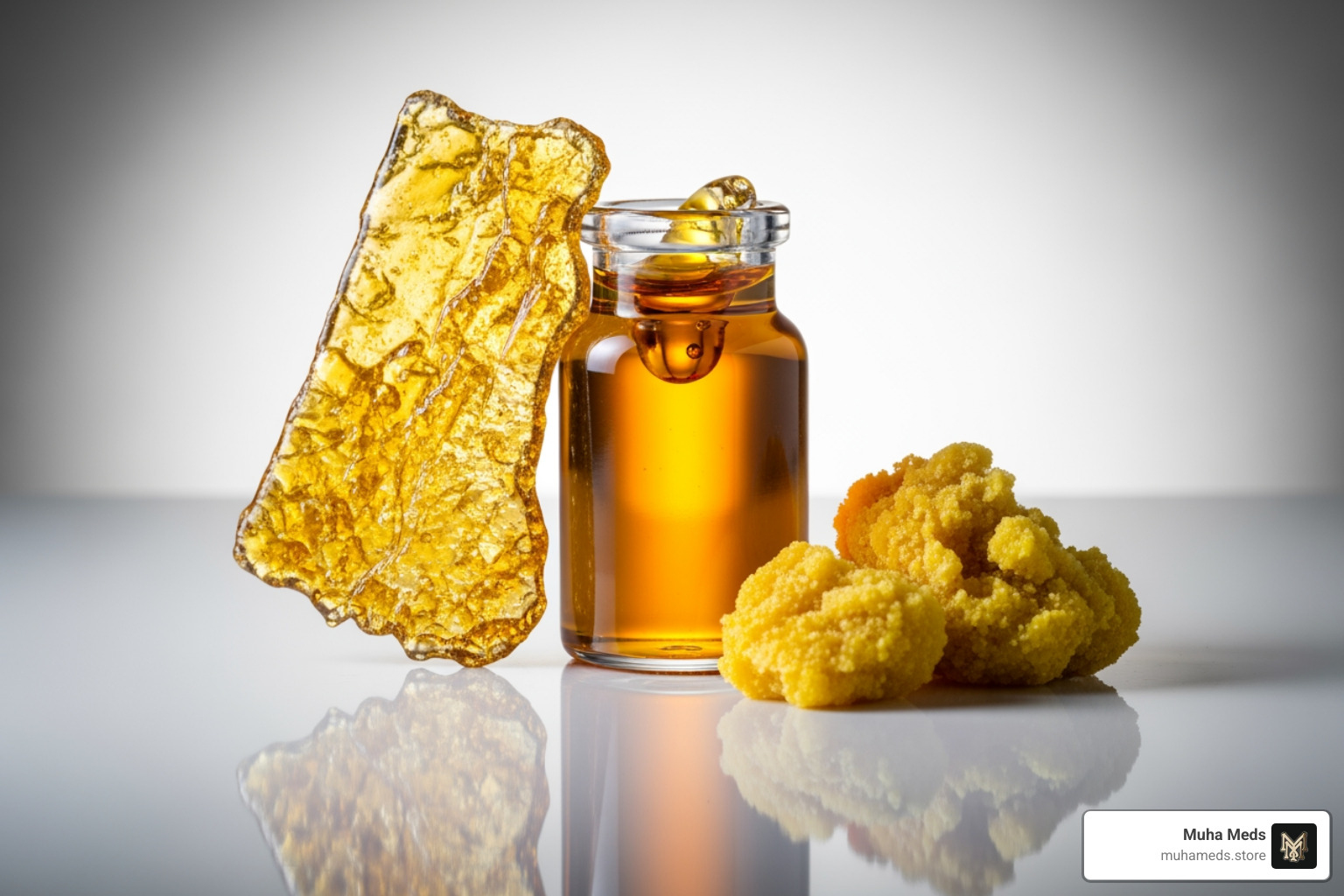
Cannabis concentrates are highly potent extracts with THC levels often exceeding 60-80%. They offer strong, refined flavors and require less product to achieve desired effects. However, their potency makes it easy to overconsume, especially for new users. A very small amount can be extremely powerful.
Concentrates are generally more expensive and may require special equipment like a dab rig. Common forms include:
- Wax and Shatter: Solid concentrates with different textures used for dabbing.
- Oils and Distillates: Refined extracts used in vape pens or taken orally. Distillates isolate specific cannabinoids to achieve near-pure concentrations.
- Hash: A traditional concentrate made from separated trichomes.
Concentrates are ideal for experienced users seeking potent, fast-acting effects, but beginners should approach them with caution.
How to Choose From the Different Types of Weed
Choosing from the many types of weed is about matching a product to your personal goals. Consider what you want to achieve: relaxation, pain relief, creativity, or social energy.
Your tolerance is also key. If you’re new to cannabis, start with low-THC products and go slow. A THC concentration of 21% or higher is considered strong. Also, consider your medical history and consult a healthcare professional if you have underlying conditions or take other medications.
The consumption method also matters. Smoking or vaping offers fast relief, while edibles are discreet and long-lasting. Concentrates provide potency and flavor. Choose what best fits your lifestyle. Don’t hesitate to ask knowledgeable dispensary staff for guidance—at Muha Meds, we’re here to help you find the right product.
A Guide to Popular Types of Weed Strains
To give you a practical starting point, here’s a look at some popular strains and what users commonly report. That individual experiences can vary, and research on cannabis effects is ongoing, with many proposed benefits still anecdotal.
| Strain Name | Type | Typical THC % | Typical CBD % | Commonly Reported Effects/Uses |
|---|---|---|---|---|
| Blue Dream | Hybrid | ~18-30% | ~1% | Energizing, uplifting; pain, cramps, inflammation, insomnia, mental fog, PTSD |
| Sour Diesel | Sativa | ~18-26% | <0.1% | Energizing, mood-lifting; fatigue, stress, acute pain, mental fog, anxiety |
| Granddaddy Purple | Indica | ~17-23% | ~0.1-1% | Deep relaxation, sedating; low appetite, restless leg syndrome, insomnia, anxiety |
| Afghan Kush | Indica | ~13-20% | ~0.1-1% | Relaxing, sedating; acute pain, insomnia, low appetite, anxiety, stress |
| Northern Lights | Indica | ~16-21% | ~0.1% | Relaxing, “couch lock”; pain, mood disorders, insomnia, low appetite |
| White Widow | Hybrid | ~12-20% | ~1% | Uplifting, euphoric; low mood, mental fog, social anxiety |
| Pineapple Express | Hybrid | ~23% | <0.1% | Uplifting, energetic; mental fog, acute pain, social anxiety |
| Golden Goat | Hybrid | ~23% | ~1% | Energizing, mood-lifting; depression, anxiety, mental fog, low energy |
| Purple OG Kush | Indica | ~19% | <0.1% | Chronic pain, muscle spasms, insomnia |
| Bubba Kush | Indica | ~14-25% | <0.1% | Insomnia, acute pain, nausea, low appetite, PTSD |
Popular strains like the hybrid Blue Dream offer a balanced, energizing experience, while the Sativa Sour Diesel provides a mental boost. For deep relaxation and sleep, Indicas like Granddaddy Purple and Northern Lights are common choices. These are general guidelines. Effects can vary based on your body chemistry and the specific batch, so always start with a low dose to see how a strain affects you personally.
Potential Risks and Legal Considerations
While cannabis has benefits, it’s important to be aware of the risks.
- Anxiety and Paranoia: High-THC strains can sometimes cause these effects. Start with low doses or balanced THC/CBD strains if you’re concerned.
- Impaired Coordination: Cannabis affects motor skills and reaction time. Never drive or operate machinery while impaired.
- Lung Irritation: Smoking can irritate the lungs. Consider smoke-free options like edibles if this is a concern.
- Overconsumption with Edibles: The delayed onset (30-90 minutes) makes it easy to take too much. Wait at least two hours before consuming more.
- Marijuana Use Disorder: About 30% of users may develop a disorder. Be mindful of your usage and seek help if it becomes problematic.
The legal status of cannabis is complex. While many states have legalized it, it remains illegal federally in the U.S. Regulations vary significantly by location, so always know the laws in your state before purchasing or using cannabis. At Muha Meds, we operate ethically within legal frameworks to ensure your safety.
Frequently Asked Questions about Cannabis
Navigating types of weed can feel overwhelming, so here are answers to some common questions.
How long does it take for edibles to kick in?
Unlike smoking or vaping, which have near-instant effects, edibles require patience. Because they must be digested and metabolized by the liver, the onset time is typically 30 to 90 minutes. This delay can lead to accidental overconsumption if a person takes more before the first dose kicks in.
The effects of edibles are often more powerful and last much longer (4-8+ hours) than inhaled cannabis. Our advice is to start with a low dose (5-10mg of THC for beginners), wait at least 90 minutes before considering more, and be patient.
Is marijuana addictive?
Yes, marijuana can be addictive. While not everyone becomes addicted, it’s a risk. Research indicates that about 30% of users may develop a marijuana use disorder, particularly with frequent, heavy use.
Signs of a use disorder include strong cravings, using more than intended, and continuing to use despite negative consequences in your life. Physical dependence can also occur, leading to withdrawal symptoms like irritability, anxiety, and trouble sleeping if use is stopped suddenly.
If you are concerned about your cannabis use, it’s wise to speak with a healthcare professional. Understanding the risks allows for more informed choices.
What is the difference between natural and synthetic cannabinoids?
It is crucial to understand the difference between natural and synthetic cannabinoids for your safety.
- Natural cannabinoids (THC, CBD) are compounds found in the cannabis plant. When purchased from a reputable source, they are tested and predictable.
- Synthetic cannabinoids (“Spice,” “K2”) are dangerous, man-made chemicals sprayed on plant material. They are not a safe alternative to natural cannabis.
Synthetics bind more strongly to brain receptors, causing unpredictable and severe effects, including rapid heart rate, seizures, and even death. Their chemical makeup is inconsistent and unknown. Always stick to natural, lab-tested cannabis products from licensed sources like Muha Meds to ensure your safety.
Conclusion
Understanding cannabis—from Sativa, Indica, and Hybrid strains to the roles of cannabinoids and terpenes—empowers you to make informed choices. Whether you prefer flower, edibles, or concentrates, this knowledge helps you find the right product for your goals, be it relaxation, creativity, or pain relief.
Your cannabis journey is personal. Effects vary, so we always recommend starting with a low dose and going slow, especially with new products. Finding what works for you is part of the process.
At Muha Meds, we are committed to education, transparency, and providing high-quality, ethically operated products. We believe an informed customer is a satisfied and safe customer. Our team is here to support you, whether you’re a beginner or an experienced user.
Ready to find your perfect match? Explore our diverse selection of premium cannabis flowers and find what Muha Meds has to offer.